Windows Phone in Russia: History, Features, and Why It Still Matters in 2026
Windows Phone
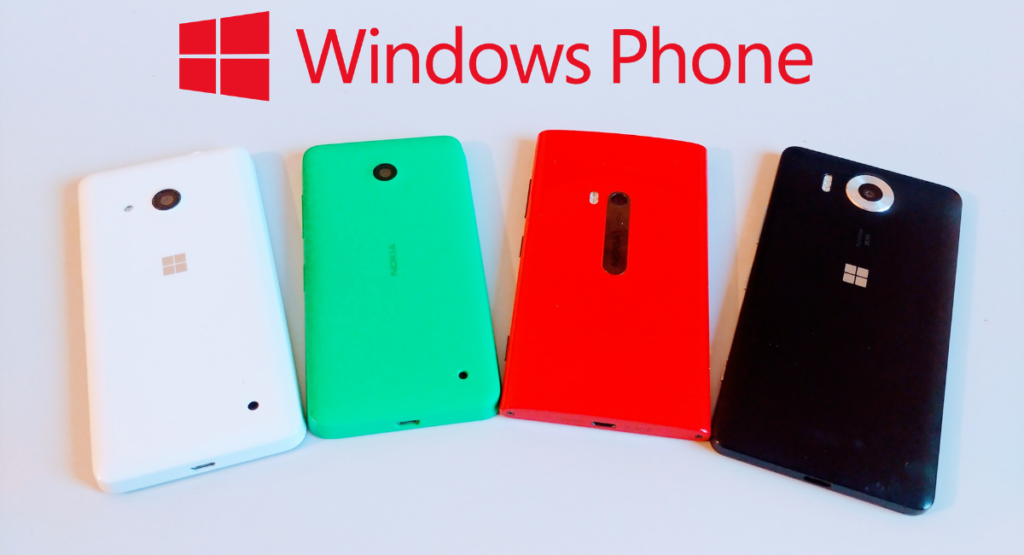
Windows Phone was once Microsoft’s big attempt to enter the smartphone market. At that time, the market was mostly dominated by Android and iOS. Although Windows mobile phones may have been discontinued, the interest in the device still exists, especially among tech-savvy Americans and in regions like Russia, where alternative systems and older mobile phones are still popular.
This article details the rise of Windows Mobile Phone, its highlights, its decline, and its relevance today.
The Rise of Windows Phone OS
When Microsoft officially launched Windows Mobile, its goal was to change the way people used smartphones. It featured simple designs and a system that easily connected to Windows computers. Compared to other systems, Windows Mobile focused on simplicity, speed, and productivity.
Around the world, where Microsoft mobile operating system products were already popular in offices and homes, the system quickly became a favorite among professionals and students.
What is Haptics on iPhone? How Apple’s Taptic Engine Enhances Everyday User Experience
Unique User Interface and Live Tiles
The most unique and special feature of Windows Mobile was its Live Tiles system. Instead of simple icons of ordinary apps, these tiles displayed real-time updates, such as messages, weather conditions, and news. This gave users the necessary information without opening the app.
Users liked this system a lot, especially in urban life, where getting information quickly and easily is very important.
Windows Phone Hardware and Nokia Partnership
The success of Windows Mobile phones was largely due to the partnership between Microsoft and Nokia. The Nokia Lumia phones series of mobiles became known for their sturdy bodies, great cameras, and smooth performance.
In Russia, the Nokia name was already considered a sign of reliability and quality, which is why Windows Mobile phones gained more recognition and market share there than in other countries.
App Ecosystem: Strengths and Weaknesses
Despite its many good things, Windows Mobile phones have had a problem with a lack of apps. The essential apps were there, but many popular third-party apps either came too late or didn’t come at all. This was a problem for users all over the world, because developers mostly worked on Android and iOS, where there were more users.
Windows Phone Security and Performance Advantages
Security was where Windows Mobile phones stood out from the rest. The system was known for its low risk of viruses and malware, and it ran stably and smoothly even on weak mobiles, which is why it was preferred by business users and government-related places.
Windows Mobile phones were also preferred in some sectors of Russia, where security and controlled systems were given importance.
Why Microsoft Discontinued Windows Mobile Phone
Microsoft ended support for Windows Mobile phones because its demand in the market was decreasing. And the interest of developers in it was also decreasing very quickly. It became difficult for it to compete with both the open system of Android and the strong trust of people in Apple’s brand. The system was new and innovative, but these smartphones could not maintain their momentum in the fast-growing market.
Windows Mobiles 7 vs 8: Key Differences and Improvements
Windows Mobile Phone 7 was Microsoft’s first big step into the world of modern smartphones. With this version, the Metro user interface came, and the idea of Live Tiles was introduced, in which the latest updates were visible on the icons of the apps. But it also had many flaws; it did not have the option of multitasking for third-party apps. Apart from this, there was no memory card facility, and the hardware support was also weak.
Later, when Windows 8 came out, Microsoft solved many of these problems. In this version, the Windows NT kernel was used, which is the internal structure of the system. This improved the speed and performance of the phone. Along with this, technology like NFC was also added, which is used to transfer data between phones. The option of installing a memory card was also available, and security was also better than before. Windows 8 also provided a deep connection with Windows computers, so that the phone and PC could work better with each other.
Microsoft smartphones vs Android and iOS
Compared to Android and iOS, Windows Mobile was more optimized, but it lacked flexibility and variety of apps. In the international market, where Android has a strong presence, Windows Mobile is mostly a memory and of little interest today, used by fewer people for daily use.
FAQ’s
Is Windows Mobile Phone still usable in 2026?
Yes, it can be used for basic tasks like calls, SMS, and offline apps, but it lacks official support and new apps.
Why did Windows Mobile fail?
This was largely due to the lack of apps, its late arrival to the market, and the strong popularity of Android and iOS.
Are Windows Mobile Phone devices available in Russia?
Yes, some older models, especially Nokia Lumia, can still be found on the second-hand market.
Is Windows Mobile secure?
Yes, it was known for its strong security and the risk of viruses.
Can Windows Mobile Phone make a comeback?
It seems difficult to fully return, but these ideas are still influencing Microsoft’s cross-platform strategy.